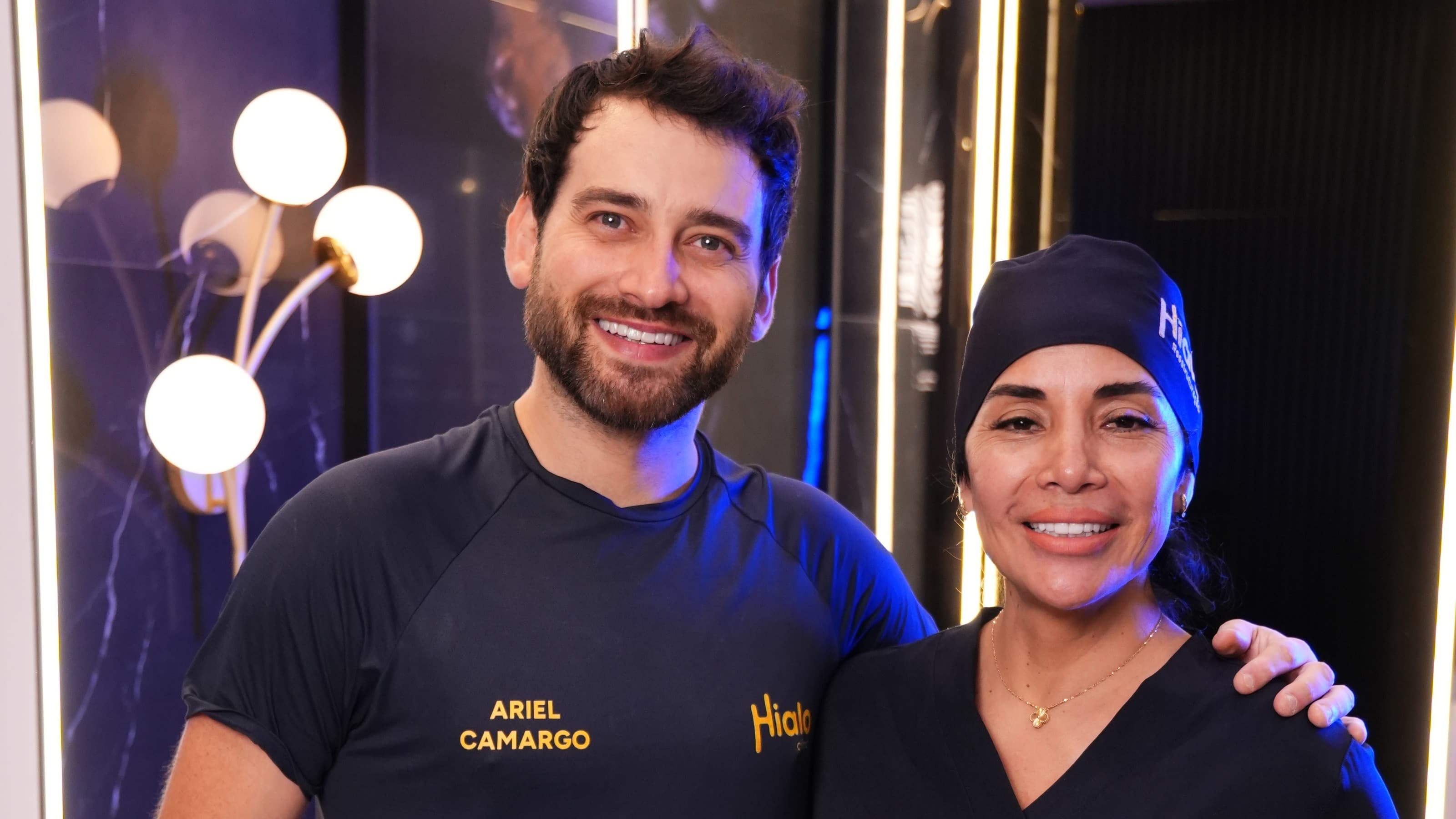
Creator of the method · since 2017
Before creating a method,he noticed a problem.
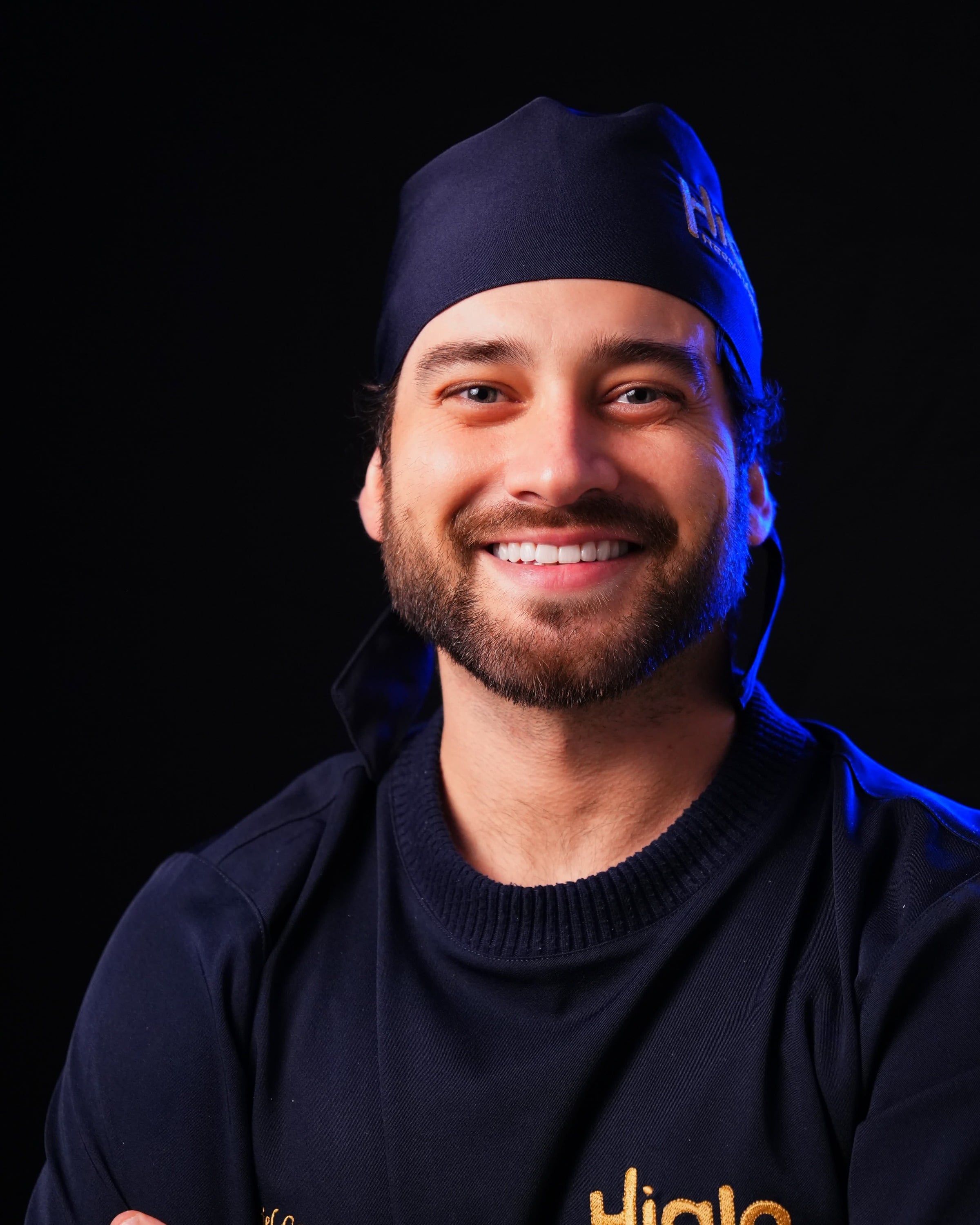
The eye
From the beginning of his career, Dr. Ariel watched closely what aesthetics was becoming.
A practice increasingly driven by external validation, unreal standards and shallow communication.
He saw the internet shape references.
He saw professionals and patients drift away from their own identity.
He saw hyaluronic acid, one of the most powerful tools in aesthetics, treated as a villain — not for the substance, but for the way it was being used.
And he understood that the problem was not the procedure.
It was the absence of criteria.
The technical grounding
Since 2017, working in a high-demand clinical setting, he accumulated direct experience managing and resolving complications with hyaluronic acid.
That experience made it possible to develop:
- 01fast, precise reading of complications
- 02confident decision-making
- 03his own protocols, with greater predictability
- 04efficient action at the right moment
With international recognition, he took that knowledge to congresses and leading institutions, focused on complication management and clinical safety.
But over time it became clear: correcting errors was not enough. They had to be prevented.
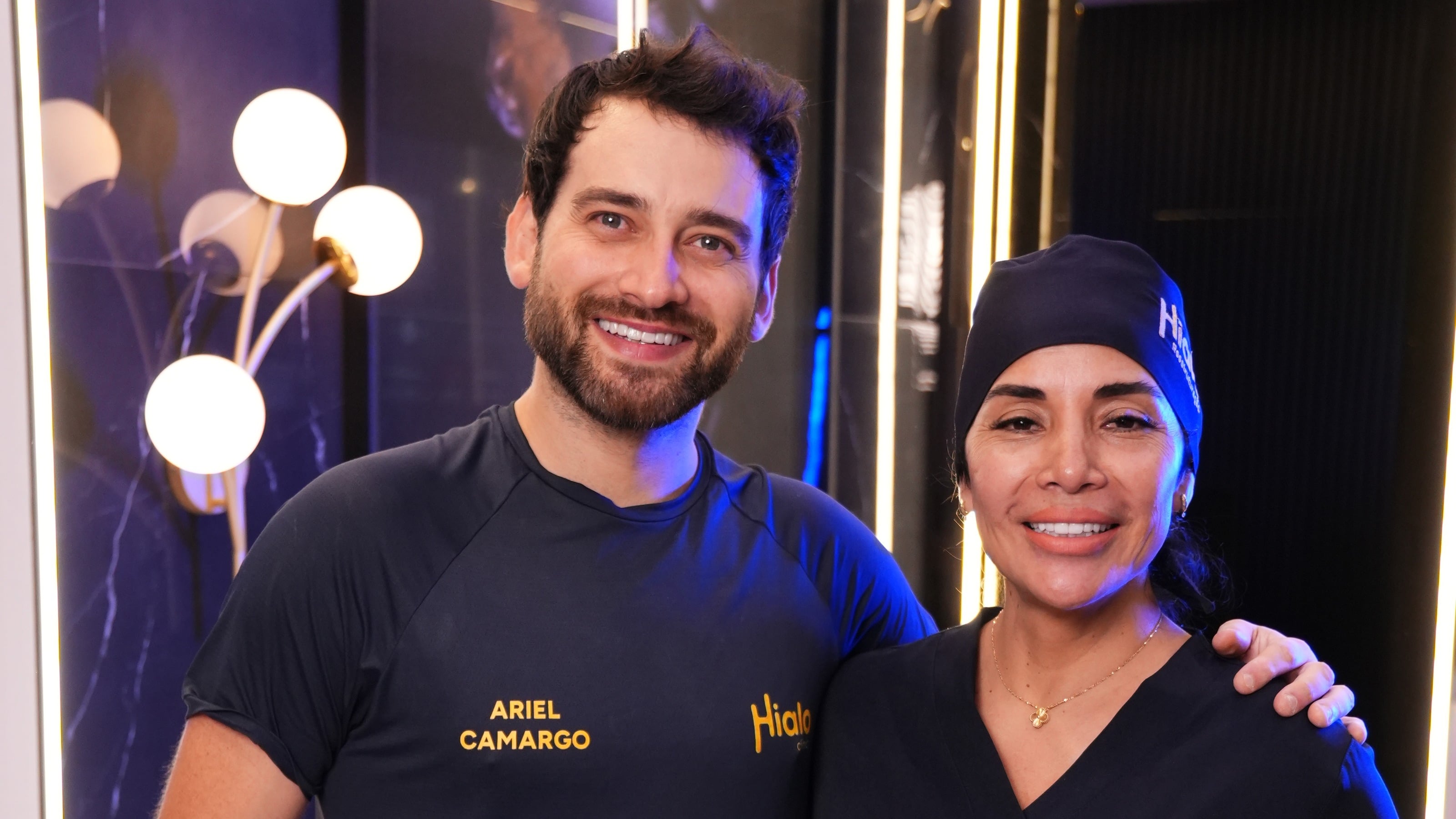
Beyond technique
The search for answers led beyond aesthetics.
Training in psychotherapy and study in neuroscience and behaviour brought a new layer of understanding:
the patient does not arrive with an aesthetic complaint alone.
They arrive with a history, an expectation, and a perception of themselves.
And that changes the way you treat, completely.
The making of Hialo
Hialo is born of that convergence.
Not as a set of techniques, but as a system that integrates:
- 01reading
- 02planning
- 03execution
- 04perception
A way of organising aesthetics with criteria, structure and awareness.
A way of giving the professional back the capacity to decide. And the patient, the possibility of recognising themselves.
The position
Aesthetics does not have to be shallow.
It can be precise.
It can be structured.
It can be responsible.
And above all, it can be human.
In his words
This may be your moment to learn.
But it may also be the most important moment for the person being treated.
There is a history there.
There is expectation.
There is trust.
Don't make that moment special only for you.
Make it, above all, for the patient.
Because in the end,
your satisfaction will always be tied to theirs.